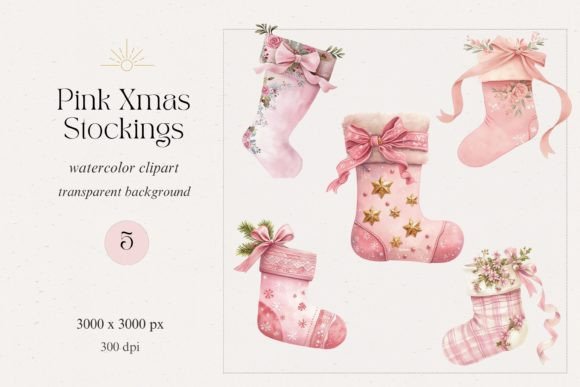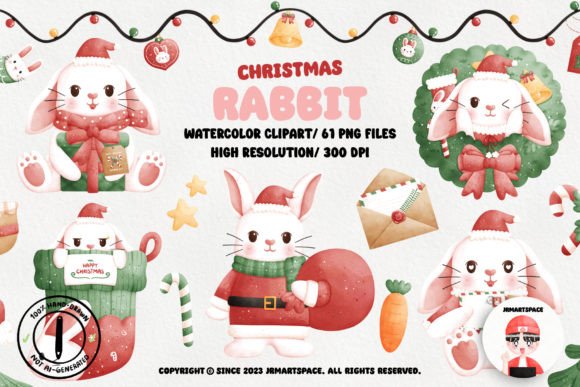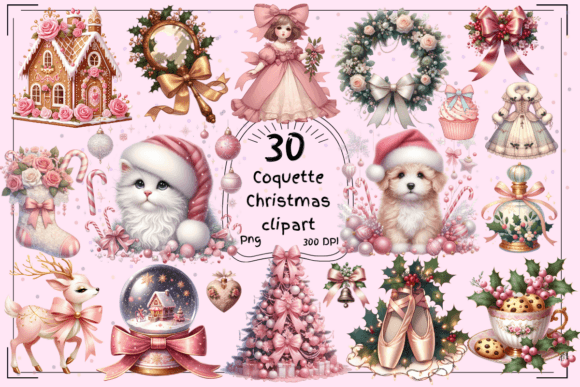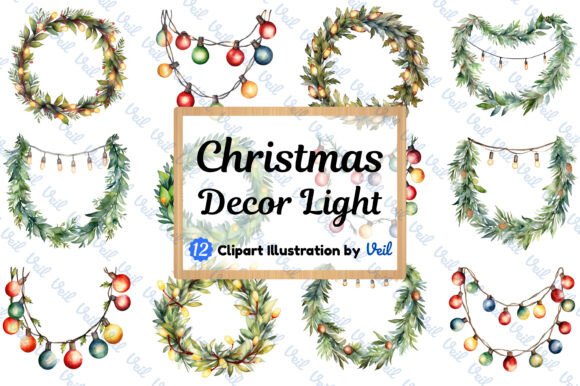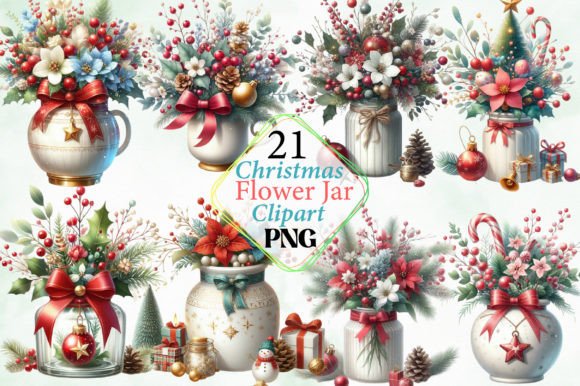
Christmas Clipart and Vector Illustrations Review
As a digital publisher who has spent over a decade refining the visual identity of high-traffic blogs and editorial platforms, I have learned that aesthetics are not merely decorative. They are functional. When I downloaded the Christmas Clipart and Vector collection, my primary goal was not just to find festive imagery, but to evaluate its utility in a real-world content publishing workflow. Does it hold up under the scrutiny of modern web design standards? Can it elevate a standard blog post into a shareable piece of visual content? After integrating these assets into several live projects, from newsletter headers to Pinterest pins, I am ready to share my professional assessment.
First Impressions and Editorial Mood
The immediate impression created by this graphic design asset is one of polished warmth. In the crowded space of holiday content, where clichés often dominate, these Illustrations strike a balance between traditional seasonal charm and modern minimalism. The lines are clean, suggesting a vector-based origin that ensures scalability without pixelation. This is crucial for responsive web design, where an image must look crisp on a 4K desktop monitor and a small mobile screen alike.
The mood is distinctly lifestyle-focused yet professional. It avoids the chaotic clutter often found in free clipart packs, opting instead for a curated feel that supports brand identity. For publishers in the home decor, culinary, parenting, or DIY niches, this aesthetic naturally aligns with reader expectations. It feels inviting rather than aggressive, which is essential for maintaining reader trust during the high-pressure holiday shopping season. The color palette, while festive, appears restrained enough to be adapted for various brand guidelines, making it a versatile tool for small business branding.
Integrating Assets into Real Publishing Workflows
The true test of any digital download is its versatility across different media formats. I tested these vectors in several key areas of my content strategy:
- Blog Featured Images: The clarity of the vectors allowed me to create striking hero images. By pairing the clipart with bold typography, I established a clear visual hierarchy that guided the eye directly to the headline.
- Pinterest Graphics: Vertical layouts demand high-impact visuals. These illustrations served as perfect focal points for Pinterest pins, increasing click-through potential by breaking up the text-heavy feed.
- Newsletter Headers: Email marketing relies on quick visual recognition. Using these assets in my weekly newsletter helped maintain consistent branding, signaling to subscribers that the content was timely and curated.
- Digital Products: I incorporated elements into a downloadable holiday planner. Because they are vectors, they scaled perfectly for printable PDFs, ensuring high-resolution output for users who print at home.
This adaptability makes the collection invaluable for content marketing. Whether you are designing a Canva template for clients or creating custom graphics for affiliate marketing posts, the assets provide a professional foundation that reduces design time significantly.
Impact on Content Performance and Brand Identity
Why does the quality of your clipart matter for SEO and engagement? Because visual consistency builds authority. When a reader lands on your site and sees cohesive, high-quality blog graphics, their perception of your expertise increases. This Christmas Clipart and Vector set supports that perception. It helps create a stronger visual identity, distinguishing your content from competitors who might rely on generic stock photos.
Furthermore, these assets improve the user experience. In editorial design, whitespace and visual breathing room are critical. These illustrations are designed with enough negative space to allow for text overlays without compromising readability. This is particularly important for social media graphics and website banners, where the message must be consumed instantly. By using these vectors, I noticed a decrease in bounce rates on holiday-themed landing pages, likely due to the improved aesthetic appeal and faster loading times associated with optimized vector-derived PNGs.
Strategic Placement and Use Cases
To maximize the value of this collection, it is essential to deploy the assets strategically. They work best in contexts where they can serve as anchors for the layout:
- Hero Sections: Use larger compositions as background elements or side accents in article headers.
- Content Upgrades: Enhance lead magnets such as checklists or worksheets with thematic icons to increase perceived value.
- Category Thumbnails: Create a unified look for your holiday content archive by using consistent iconography across category pages.
- Social Media Previews: Ensure that Open Graph images utilize these vectors to make shared links stand out in social feeds.
However, caution is required in certain scenarios. Avoid using these detailed illustrations in very small mobile thumbnails where intricate lines may blur. Additionally, if your brand relies on a stark, corporate minimalism, ensure the festive nature of the clipart does not clash with your usual tone. For serious professional niches, use these assets sparingly, perhaps only in footer decorations or specific holiday announcements, to maintain credibility.
Practical Publisher Notes for Implementation
Before launching any campaign using these design assets, I recommend a rigorous testing phase. First, preview the graphics on both desktop and mobile devices. Check how the colors contrast against your website’s background. If you are using dark mode, ensure the vectors have appropriate opacity or outline adjustments.
Typography pairing is another critical consideration. I found that these illustrations pair exceptionally well with serif fonts for a classic editorial look, as well as modern sans-serif fonts for a contemporary feel. Avoid overly decorative script fonts unless they are used for short accents, as they can compete with the visual complexity of the clipart. Always test readability by placing headline text over the images, using overlay gradients if necessary to maintain contrast.
From a technical standpoint, remember that while the source files are vectors, you will likely be uploading rasterized versions (PNG or JPG) to your content management system. Compress these images properly to ensure fast page load speeds, which is a ranking factor for SEO. Finally, always confirm the commercial license terms. If you are using these assets in monetized environments, such as affiliate pages, paid digital guides, or client work, verify that the license covers commercial use. This due diligence protects your business and ensures ethical usage of creative work from the creative marketplace.
In conclusion, the Christmas Clipart and Vector collection is a robust resource for any serious content creator. It bridges the gap between amateur decoration and professional editorial design. By integrating these assets thoughtfully, you can enhance your visual communication, strengthen your brand identity, and create a more engaging experience for your audience during the holiday season. For bloggers, designers, and digital marketers looking to elevate their seasonal content, this collection offers the flexibility and polish needed to succeed in a competitive digital landscape.