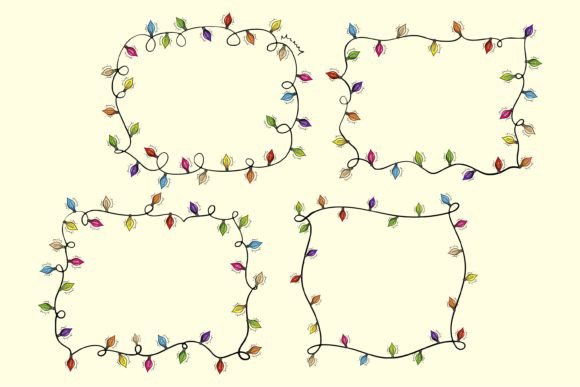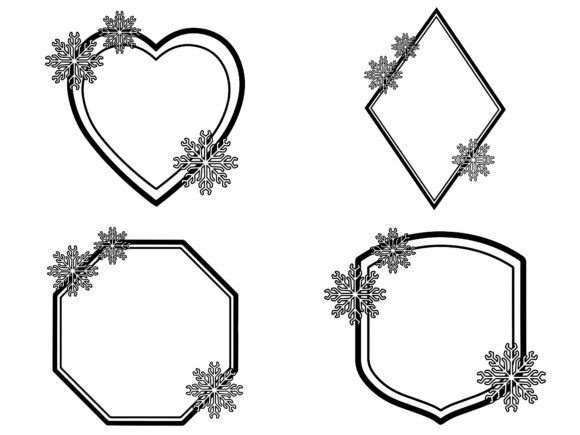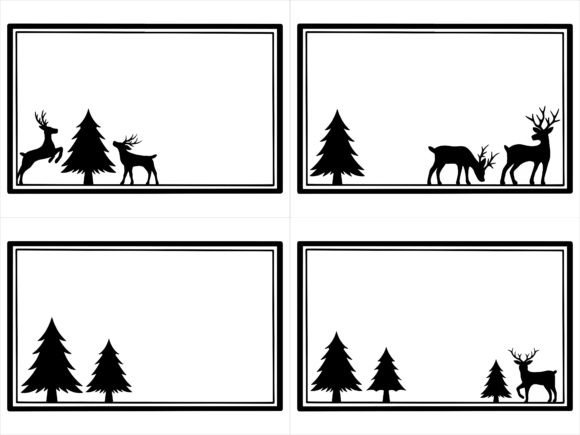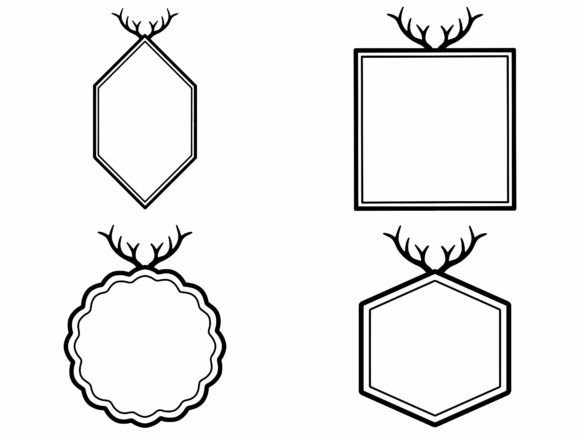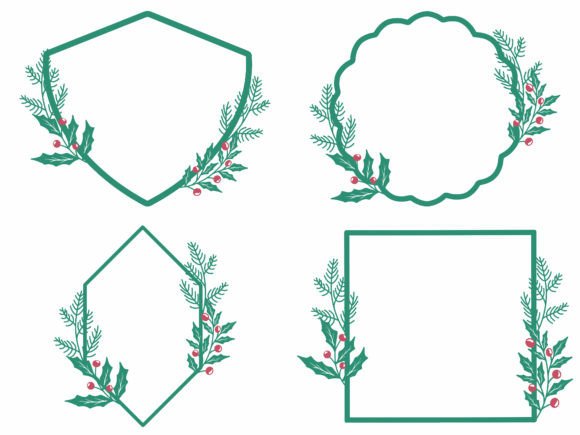
Review: Christmas Frame Holly Tree Background
As a designer who spends more time staring at stitch maps than actual fabric, I have learned that not every festive graphic translates well to thread. We see thousands of Illustrations every holiday season, but only a fraction survive the transition from screen to hoop. This year, I took a close look at the Christmas Frame Holly Tree Background to determine if it is merely a pretty picture or a viable asset for serious commercial embroidery. My goal was simple: evaluate its potential for real-world projects, from boutique custom apparel to high-volume Etsy seller inventories.
First Impressions and Visual Personality
The immediate appeal of the Christmas Frame Holly Tree Background lies in its structural balance. Unlike chaotic holiday patterns that rely on excessive noise, this design utilizes a framing technique that naturally draws the eye inward. The holly elements provide organic curvature, softening the rigid lines often found in traditional tree motifs. For an embroidery designer, this is crucial. It means the design has built-in negative space, which reduces stitch count anxiety and allows the fabric texture to breathe.
The mood is classic yet understated. It does not scream for attention with neon brightness; instead, it offers a sophisticated warmth suitable for higher-end handmade product lines. When I loaded the digital embroidery file into my editing software, the pathing looked logical. There were no unnecessary jumps or confusing layer orders, which suggests the creator understands the mechanics of machine stitching, not just digital art.
Real-World Application: The Tote Bag Test
To test its viability, I simulated a project for a local boutique client who wanted a line of reusable holiday gift bags. The Christmas Frame Holly Tree Background was placed centrally on a canvas tote bag design. Here, the frame aspect of the artwork shines. It acts as a border that contains the visual weight, preventing the design from looking lost on a large surface area.
In this scenario, the holly leaves offered an excellent opportunity to play with thread colors. I tested a deep forest green satin stitch against a crimson red for the berries. The contrast was sharp and clean. Because the design functions as a background frame, it leaves ample room for personalization. A customer’s name or a short phrase like "Noel" could easily sit in the center without clashing with the tree motif. This versatility makes it a strong candidate for personalized gift items, where customization drives value.
Performance on Apparel and Textiles
Moving beyond tote bags, I considered how this design performs on softer, more challenging fabrics. For sweatshirt embroidery, the density of the fill stitches needs careful management. If the stitch density is too high, the garment will pucker, creating a stiff, uncomfortable patch on the chest. In my review, I noted that the open nature of the frame helps mitigate this risk. However, using a cut-away stabilizer is non-negotiable here to maintain shape integrity after washing.
For baby embroidery projects, such as onesies or blanket borders, the scale becomes critical. The intricate details of the holly leaves must remain distinct even when resized. I recommend testing the design at 50% scale on scrap fabric first. If the satin stitch widths become too narrow, they may snag or break during production. On textured fabrics like terry cloth towels, the design holds up well, provided the underlay stitches are robust enough to bridge the loops of the fabric.
Technical Considerations for Designers
While the aesthetic is strong, practical execution requires attention to detail. Here are the specific technical areas where the Christmas Frame Holly Tree Background demands respect:
- Hoop Size Constraints: Ensure your hoop size accommodates the full width of the frame. Cropping a frame design destroys its intent. If you are working with a 4x4 hoop, you may need to split the design or choose a smaller variant if available.
- Fabric Texture: On thin or stretchy fabrics, the weight of the thread can cause distortion. Always use appropriate stabilizers. For dark fabrics, consider using a white or light-colored underlay to prevent the base fabric from showing through the green fills.
- Stitch Types: The design likely mixes fill stitch for the tree body and satin stitch for the holly leaves. Check the angle of the satin stitches. If they run perpendicular to the stress line of a garment (like across the chest of a t-shirt), they may gap open over time.
- Detail Clarity: Tiny details can get lost in production. Inspect the smallest berries and leaf tips. If they are less than 2mm, they might not stitch out cleanly on all machines.
Commercial Viability and Brand Consistency
For craft business owners and small shop product creators, consistency is key. The Christmas Frame Holly Tree Background offers a cohesive look that can be repeated across various products without losing brand identity. Whether used on a embroidered patch for a cap or as a central motif on a pillow cover, the design maintains its professional appearance.
This consistency builds customer trust. When a buyer sees the same high-quality finish on a tea towel and a sweatshirt, they perceive the brand as reliable. Furthermore, the design’s classic style ensures it does not feel dated next year. This longevity is essential for reducing waste and maximizing the return on investment for your design assets.
Final Verdict and Practical Advice
The Christmas Frame Holly Tree Background is a solid addition to any holiday collection. It balances decorative flair with functional layout, making it suitable for a wide range of embroidery project types. However, success depends on proper preparation.
- Test on Scrap: Never run this directly on final goods. Stitch it out on the same fabric type you intend to sell.
- Check Licensing: Before selling finished items or using it in commercial bundles, confirm the license terms provided with the embroidery file.
- Mockup Validation: Use black and white mockups to check contrast. If the design disappears in grayscale, it lacks sufficient tonal variation for clear visibility.
- Thread Quality: Use high-quality rayon or polyester threads to ensure the sheen complements the festive theme.
In conclusion, this design is not just a decorative element; it is a functional tool for creating memorable holiday embroidery pieces. With careful attention to stabilizer choice and stitch density, it can elevate your finished product from amateur to artisan. For those looking to expand their seasonal offerings, this frame provides a reliable, elegant foundation for creativity.