Reviewing the Christmas Candy Cane Frame Design
As an embroidery designer who has spent countless hours digitizing and testing files for real-world application, I approach every new machine embroidery design with a critical eye. It is not just about whether the artwork looks cute on a screen; it is about how those stitches lay down on fabric, how they hold up after washing, and whether they add genuine value to a finished product. Recently, I evaluated the Christmas Decorative Candy Cane Frame, a piece categorized under Illustrations, to determine its viability for holiday collections. This review breaks down the practical realities of using this design in a professional craft business setting.
First Impressions and Visual Personality
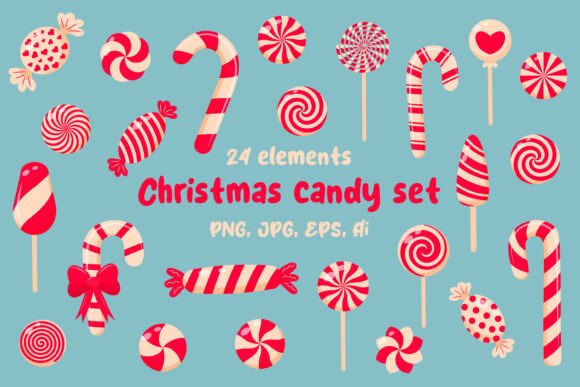
The moment I loaded the Christmas Decorative Candy Cane Frame into my editing software, the immediate impression was one of classic holiday warmth. The layout relies on the iconic curved silhouette of candy canes to create a border or frame effect. This is a smart structural choice because frames are incredibly versatile. They allow for personalization in the center, which is a huge selling point for Etsy sellers and boutique owners. The visual personality is playful yet structured, avoiding the chaotic clutter that often plagues seasonal designs.
From a design perspective, the balance between negative space and stitch coverage seems well-considered. A common mistake in holiday digitizing is over-complicating the swirls, leading to thread breaks or messy backs. This design appears to prioritize clean lines, suggesting a mix of satin stitch for the bold outlines and potentially fill stitch or running stitch for finer decorative accents. For a designer, this signals a file that is likely optimized for speed and reliability, rather than just visual complexity.
Real-World Application: The Tote Bag Test
To truly understand the potential of this embroidery file, I imagined a specific client project: a set of custom holiday gift tote bags. These are popular handmade products that require durable, high-visibility designs. The Christmas Decorative Candy Cane Frame fits this use case perfectly. By placing the frame on the front of a canvas tote, you create a natural window for a monogram or a short phrase like "Joy" or "Noel."
In this scenario, the frame acts as a spotlight. Customers are drawn to personalized items, and the candy cane motif immediately communicates the season without being overly religious or specific to one tradition. The curvature of the canes guides the eye inward, ensuring that any text placed in the center is readable. This makes it an excellent choice for personalized gifts where the recipient’s name is the hero, supported by the festive border. The design’s scale suggests it would work well on medium to large hoops, providing enough presence on a bag without overwhelming the fabric.
Versatility Across Product Lines
Beyond tote bags, this design shows promise in several other areas of commercial embroidery. For sweatshirt embroidery, the frame could be placed on the upper chest for a subtle look or centered on the back for a statement piece. The key here is adjusting the size. Because it is a frame, scaling it down for a pocket area on a flannel shirt or a baby onesie requires careful attention to detail loss. However, for standard adult apparel, the proportions seem robust.
I also see strong potential for this design in home decor, specifically on kitchen towels or pillow covers. A framed design on a tea towel creates a lovely focal point. If used on a pillow cover, it could serve as a seasonal accent that is easily swapped out. For embroidered patch creators, this frame could be digitized as a standalone element to be ironed onto jackets or hats, adding another revenue stream for small shop products.
Technical Considerations and Fabric Compatibility
While the aesthetic appeal is high, practical execution requires caution. Not all fabrics behave the same way. When working with textured fabrics like terry cloth towels or fluffy fleece, the finer details of the candy cane stripes might get lost. In these cases, increasing the stitch width or simplifying the color transitions is advisable. For thin or stretchy fabrics, such as jersey knits used in baby embroidery projects, proper stabilization is non-negotiable. A cut-away stabilizer would likely be necessary to prevent puckering, especially if the design has any dense areas.
Dark fabrics present another challenge. If the thread colors chosen do not have enough contrast against the background, the definition of the frame will suffer. I recommend testing the design on both light and dark swatches. Using a metallic or bright red thread against black fabric can look stunning, but it requires precise tension settings. Always check the stitch density in your software. If the density is too high for lightweight cotton, it may cause the fabric to pucker or tear during stitching.
Navigating Small Hoops and Curved Surfaces
One must be realistic about hoop limitations. If you are attempting to use this on a cap, the curved surface distorts the perception of the frame. A rectangular or square frame often looks warped on a baseball cap unless the digitizing accounts for the push-and-pull of the fabric. Since this is a candy cane frame, the organic curves might actually fare better on caps than rigid geometric shapes, but a test run on a scrap piece of the same material is essential. For small hoop sizes, ensure that the minimum version of the design retains its integrity. Tiny corners and tight turns are prone to thread breaks if the needle size and thread weight are not matched correctly.
Enhancing Brand Value and Customer Trust
Using high-quality assets like the Christmas Decorative Candy Cane Frame directly impacts brand consistency. When customers receive a finished product with clean, crisp stitching and a professional layout, their trust in your craft business grows. Sloppy embroidery with tangled threads or misaligned frames damages reputation. This design, with its clear structure, helps maintain a professional appearance. It elevates a simple item into a boutique-quality piece.
For digital product sellers, this design can be used in printable mockups to showcase potential applications. Showing the frame on a variety of items in your online store helps buyers visualize the end result, increasing conversion rates. It serves as a versatile design asset that can be marketed for both personal use and commercial licensing, depending on the terms provided by the creator.
Practical Designer Notes for Best Results
Before committing to a large production run, follow these steps to ensure success with this holiday embroidery design:
- Test on Scrap Fabric: Always stitch out the design on the exact fabric type you plan to use for the final product. This reveals tension issues and color clashes early.
- Check Thread Contrast: Verify that your chosen thread colors pop against the fabric. High contrast improves readability and visual appeal.
- Review Stitch Density: Examine the file in your digitizing software. If areas look too dense, consider reducing the density to prevent stiffness and puckering.
- Confirm Hoop Size: Ensure the design fits comfortably within your hoop, leaving enough margin for clamping without stitching over the hoop edge.
- Inspect Small Details: Zoom in on the digital file to check for tiny jumps or unnecessary trims that could slow down production or cause errors.
- Use Proper Stabilizer: Match the stabilizer to the fabric. Heavy fabrics may need only tear-away, while knits require cut-away for stability.
- Verify Licensing: Before selling items made with this digital embroidery file, confirm the license terms. Ensure you have the right to use it for commercial purposes if you are an Etsy seller or running a boutique.
In conclusion, the Christmas Decorative Candy Cane Frame is a solid addition to a holiday design library. It offers flexibility, seasonal charm, and a professional structure that supports personalization. By paying attention to fabric choice, stabilization, and stitch quality, designers can leverage this Illustrations category asset to create memorable, high-value products that resonate with customers during the busy holiday season.