Reviewing the Watercolor Christmas Gingerbread Man Design
As a designer who spends more time staring at digitized stitch paths than I do sleeping, I have learned that not every cute graphic translates well to thread. We have all been there: you see a charming illustration online, imagine it perfectly centered on a holiday tote bag, and then realize too late that the subtle watercolor gradients are impossible to replicate without turning your fabric into a stiff, puckered mess. This is why I approach every new machine embroidery design with a mix of optimism and healthy skepticism. Recently, I took a close look at the Watercolor Christmas Gingerbread Man, and I want to share my practical assessment of how this piece holds up in real-world applications.
First Impressions: Mood and Visual Personality
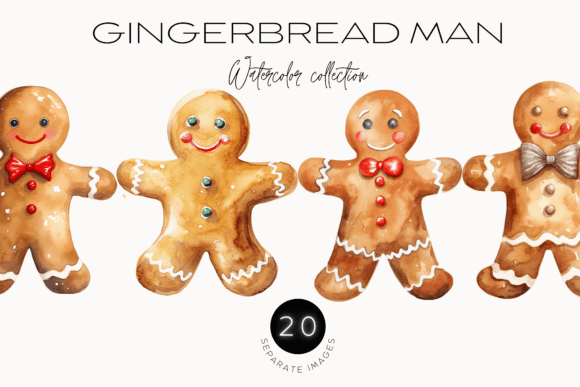
The first thing that strikes you about the Watercolor Christmas Gingerbread Man is its softness. Unlike traditional, hard-edged vector graphics often found in holiday collections, this design leans heavily into the organic, fluid nature of watercolor art. The edges are not sharp; they bleed slightly, creating a dreamy, nostalgic feel that is perfect for the current trend of cozy, handmade aesthetics. For an embroidery project, this presents both an opportunity and a challenge. The mood is unmistakably warm and inviting, making it an ideal candidate for items meant to evoke comfort, such as nursery decor or family gathering essentials.
From a layout perspective, the gingerbread figure is likely stylized rather than anatomically rigid, which works in our favor. Rigid shapes often highlight stitching imperfections, whereas softer, illustrative forms can hide minor tension issues. However, because this falls under the category of Illustrations, we must consider how those artistic nuances translate into physical stitches. Does the design rely on complex blending, or does it use clever color blocking to simulate the watercolor effect? In my experience, successful digital adaptations of watercolor art use varied thread colors and strategic fill stitch directions to create depth without excessive density.
Real-World Application: Where This Design Shines
I immediately envisioned this design on a natural linen tote bag design. The texture of linen complements the rustic, hand-painted look of the gingerbread man. When stitched onto a neutral background, the warm browns, creams, and festive accent colors of the design would pop without looking garish. This is a strong selling point for Etsy sellers and small shop product creators who focus on high-end, artisanal goods. It does not scream "mass-produced"; it whispers "crafted with care."
Another excellent application is sweatshirt embroidery. A crewneck sweatshirt in oatmeal or heather gray provides a substantial canvas for this type of artwork. Because the design likely features a mix of satin stitch borders and softer fill areas, it sits well on thicker fabrics without causing excessive pull. For custom apparel businesses, offering this as a seasonal limited edition can drive significant engagement. It appeals to customers looking for something different than the standard, bold red-and-green clipart they see everywhere else.
I also see potential in baby embroidery projects. Think of a muslin swaddle or a soft cotton onesie. The gentle aesthetic of the Watercolor Christmas Gingerbread Man is far less aggressive than traditional holiday motifs, making it suitable for delicate items. However, this requires careful attention to the back of the stitching. Parents prioritize comfort, so ensuring that the stitch density is not too high is crucial to prevent irritation against sensitive skin.
Technical Considerations and Fabric Choices
While the design is visually appealing, we must discuss where it might struggle. Watercolor effects often rely on subtle transitions. In embroidery, we achieve this through color changes and stitch angles. If you are planning to stitch this on dark fabric, you need to verify if the design includes an underlay or background fill. Without it, the darker fabric will show through the lighter threads, breaking the illusion of the watercolor wash. Always test on scrap fabric first, especially when working with contrasting backgrounds.
Curved surfaces, such as caps or hats, present another challenge. The Watercolor Christmas Gingerbread Man likely has a width that requires a standard hoop. Stitching a wide, detailed illustration on a curved cap brim can lead to distortion. If you are an apparel decorator working with headwear, consider resizing the design carefully or choosing a patch application method instead of direct stitching. An embroidered patch allows you to stabilize the design on flat fabric first, then apply it to the curved surface, ensuring the intricate details remain crisp.
Regarding fabric texture, avoid highly textured materials like heavy waffle knits or rough burlap if the design contains fine details. The texture of the fabric can interfere with the visibility of smaller stitches, causing the image to look muddy. Smooth cottons, linens, and stable poly-blends are your best friends here. Also, pay close attention to your stabilizer choice. For a design that mimics painting, you want the fabric to lie perfectly flat. A cut-away stabilizer is often safer for garments that will be washed frequently, as it provides ongoing support and prevents the stitches from sinking into the fabric over time.
Enhancing Product Value and Brand Consistency
Using a distinctive design like the Watercolor Christmas Gingerbread Man can significantly elevate the perceived value of your handmade product. Customers are willing to pay more for items that look unique and professionally finished. This design helps build brand consistency for shops that focus on whimsical, artistic, or vintage-inspired themes. It signals to the buyer that you curate your design assets carefully and care about the final aesthetic.
For commercial embroidery projects, such as corporate holiday gifts or boutique merchandise, this design offers a sophisticated alternative to generic holiday icons. It feels personal and thoughtful. When creating printable mockup images for your online store, ensure you photograph the stitched result in natural light. The sheen of the embroidery thread can mimic the wet look of watercolor paint if captured correctly, enhancing the visual appeal in your digital embroidery file previews.
Practical Notes for the Embroiderer
Before you commit to a large production run, take these steps:
- Check the details: Zoom in on the embroidery file in your software. Look for any overly dense areas that might cause puckering. If you see long runs of running stitch without proper anchoring, consider adding tack-down stitches.
- Thread selection: Use high-quality rayon or polyester threads. Matte threads can sometimes enhance the painted look, while shiny threads add a festive sparkle. Test both to see which aligns better with your brand.
- Hoop size: Confirm the required hoop size before starting. Ensure your machine can accommodate the dimensions without re-hooping, which can lead to alignment issues.
- Licensing: Always confirm the license terms. If you are an Etsy seller or run a craft business, ensure you have the right to sell finished items made with this design. Most designers allow commercial use for physical products, but restrictions may apply to digital resale.
- Wash testing: Stitch a sample, wash it, and dry it. Check for thread breakage, color bleeding, or fabric distortion. This step builds customer trust and ensures your finished product stands the test of time.
In conclusion, the Watercolor Christmas Gingerbread Man is a charming addition to any holiday collection, provided it is treated with the technical respect it deserves. It bridges the gap between digital art and tactile craft, offering a unique visual language for modern makers. By understanding its strengths and limitations, you can create stunning personalized gifts and profitable small business merchandise that customers will cherish for years to come.